Table Of Content
- The Benefits of Rice Water for Hair
- Increases elasticity to reduce breakage
- Increases Thickness and Shine
- Suave Essentials Scalp Control 2-in-1 Dry Scalp Shampoo and Conditioner
- Selenium Sulfide Shampoo: What You Should Know About This Flake-Fighting Product
- Fortifies strands to repair damaged hair
- Get the Snatched Ponytail You Deserve with These Must-Have Products
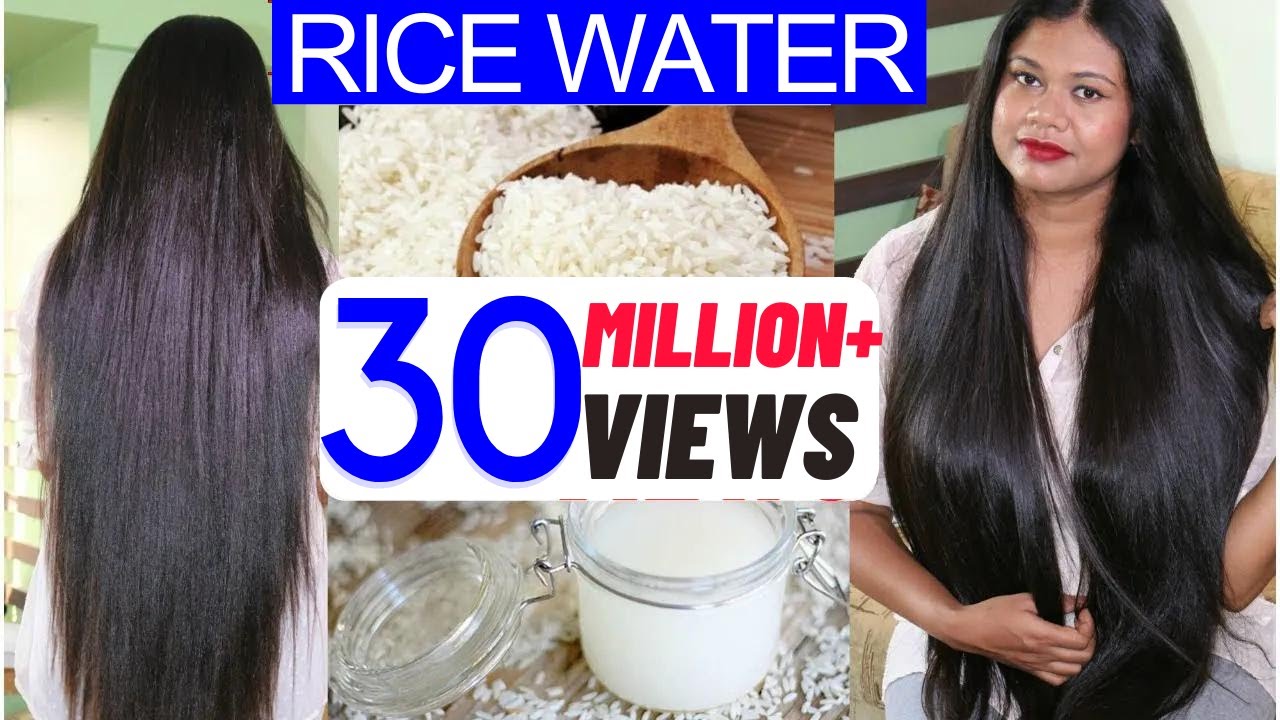
In other words, while you wait to see if that rice water works, you might also wanna pay a visit to your doctor for scientifically-backed treatments that address the cause of your hair loss or thinning. Rice water’s origins as a haircare product began in Japan as a rinse. It is now used by women around the globe in many capacities, including its original form. Rice water is very mild and the chance of an adverse reaction is low, however you should monitor your hair and scalp for dryness. Flowers explains that applying rice water to the scalp or hair is not a quick fix or an overnight treatment, with results likely only being observable with consistent use – once or twice per week on average, contingent upon texture. As with any new treatment, a dermatologist should be consulted, especially if you have any pre-existing scalp conditions.
The Benefits of Rice Water for Hair
Rice water hair rinses originated way back, especially in Japan where the court ladies of the Heian period were known for washing their hair with rice water daily to help grow their signature floor-sweeping beautiful long hairstyles. Additionally, fermented rice water may also help treat and prevent dandruff. In a 2013 lab study, it was found to inhibit the growth of malassezia, a dandruff-causing fungus. On the plus side, there have been a few early studies that give us hope — let’s just say that we’re ready to stock our own bathroom cabinets with rice water-based products.
Increases elasticity to reduce breakage
Rice is one of the most important staples in the Japanese diet, due largely to the nutritional value found in its grains. When rice water is created, the water becomes “loaded in vitamins, amino acids and other trace minerals (zinc, magnesium, vitamins B and C, etc),” Flowers explains. "Once a week would be the max [amount of times] and be sure to wash it off after 15 minutes," he says.

Increases Thickness and Shine
As a facial treatment, rice water can be incorporated into a cleansing routine, but it’s more frequently used for hydrating afterward. Simply wash your face with your favorite soap-free gentle cleanser, then apply a generous amount of rice water with a cotton round. Welcome to Hello Glow, where you'll learn all about making clean beauty products with herbal ingredients and essential oils. Read on for our best tips, techniques, and recipes for natural beauty. Like everything, rice water isn’t a one-size-fits-all beauty product.
Regular use can help improve hair health, but individual results may vary. Making a rice water leave-in conditioner for your hair is a simple and effective way to nourish hair and improve its texture. Rice water shampoo is one of the best ways to harness the power of rice water’s antioxidant magic for your hair. It clarifies, strengthens, reduces dandruff, and leaves you with shiny, flexible strands. Rice water is right up there with jade rollers and hemp oil—it appears to be having a moment in the spotlight. It’s a magical elixir that can, when used correctly, prevent breakage and strengthen strands to help your limp locks grow long and thick.
Use Hair Growth Oils to Keep Your Hair Healthy While You Grow it Out
Yet, the FDA has an organization called the Center for Food Safety and Applied Nutrition (CFSAN) to monitor hair care products for their safety. People with scalp inflammation, such as those with eczema or atopic dermatitis, should be cautious in using a rice water rinse. It might be wise to try it on a small patch for a shorter time to see if there is any reaction.
To learn more, we reached out to celebrity stylists Nai'vasha and Weezy, who let us in on everything there is to know about this simple and effective hair treatment. Interestingly, though, the buzzy treatment is nothing new, despite its recent surge in popularity among natural hair vloggers, haircare enthusiasts, and celebrities alike (Cardi B swears by it!). In fact, the Yao women of southern China have been using rice water in their regimen for centuries, and it's said to be the secret behind their long Rapunzel-like hair. You can use rice water directly on your hair or face or incorporate it into other products, such as shampoo or hair masks. You can also look for commercially sold products that are made with rice water, such as hair and skin care products that are manufactured in countries such as Korea and India.
Does rice water really produce strong, shiny hair? An expert weighs in - South China Morning Post
Does rice water really produce strong, shiny hair? An expert weighs in.
Posted: Tue, 05 Dec 2023 08:00:00 GMT [source]
Fortifies strands to repair damaged hair
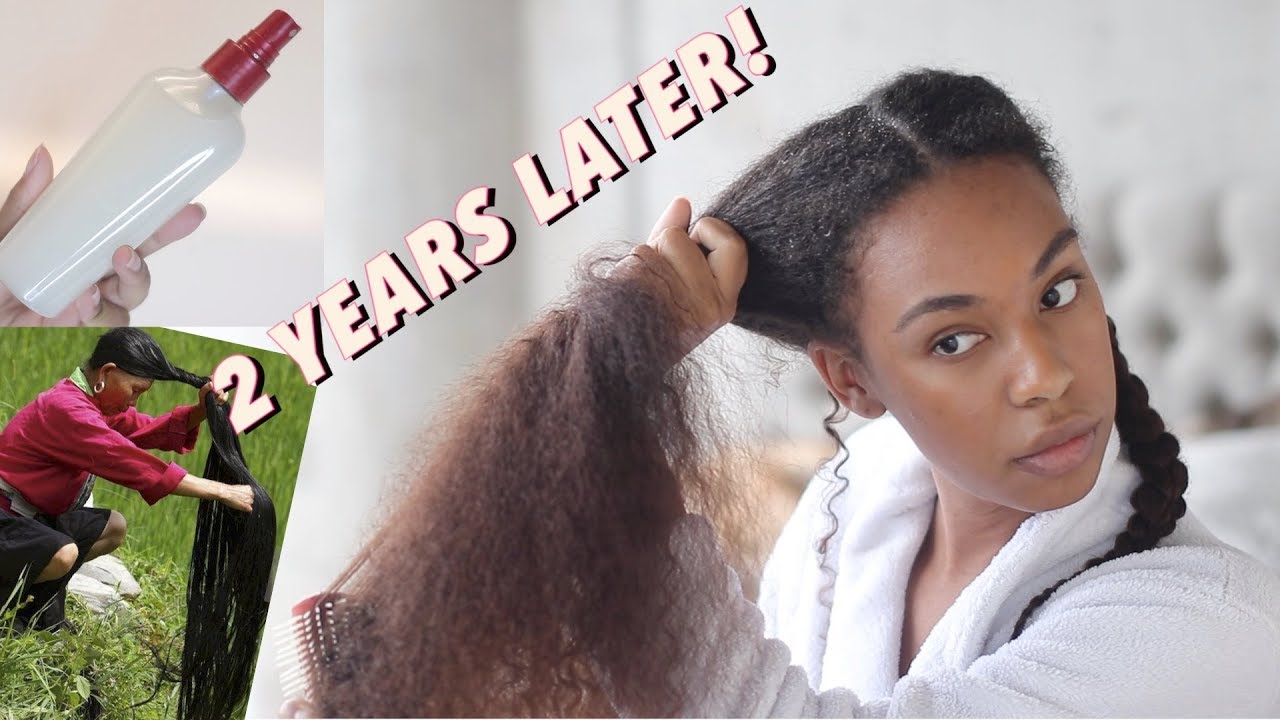
Overall, there hasn’t been a ton of research looking thoroughly at how well rice water for hair works. However, several available studies have found evidence suggesting that it can be beneficial for maintaining healthy hair (and potentially youthful-looking skin, too). If you regularly soak and cook rice at home, you probably throw away the leftover “rice water” once you’re done. But believe it or not, rice water, the milky liquid leftover when you soak rice for several hours, offers a bunch of benefits for hair health and beyond — and rice water for hair isn’t the only use.
Get the Snatched Ponytail You Deserve with These Must-Have Products
Creating a rice water hair growth spray with biotin, rosemary, and rice bran oil can be a powerful combination to nourish your scalp and promote hair growth. “Dermatitis on the scalp, traditionally, is a result of an overproduction of yeast,” Hill explains. “It is the overproduction of yeast on the scalp that leads to dandruff and other abnormal scalp conditions.
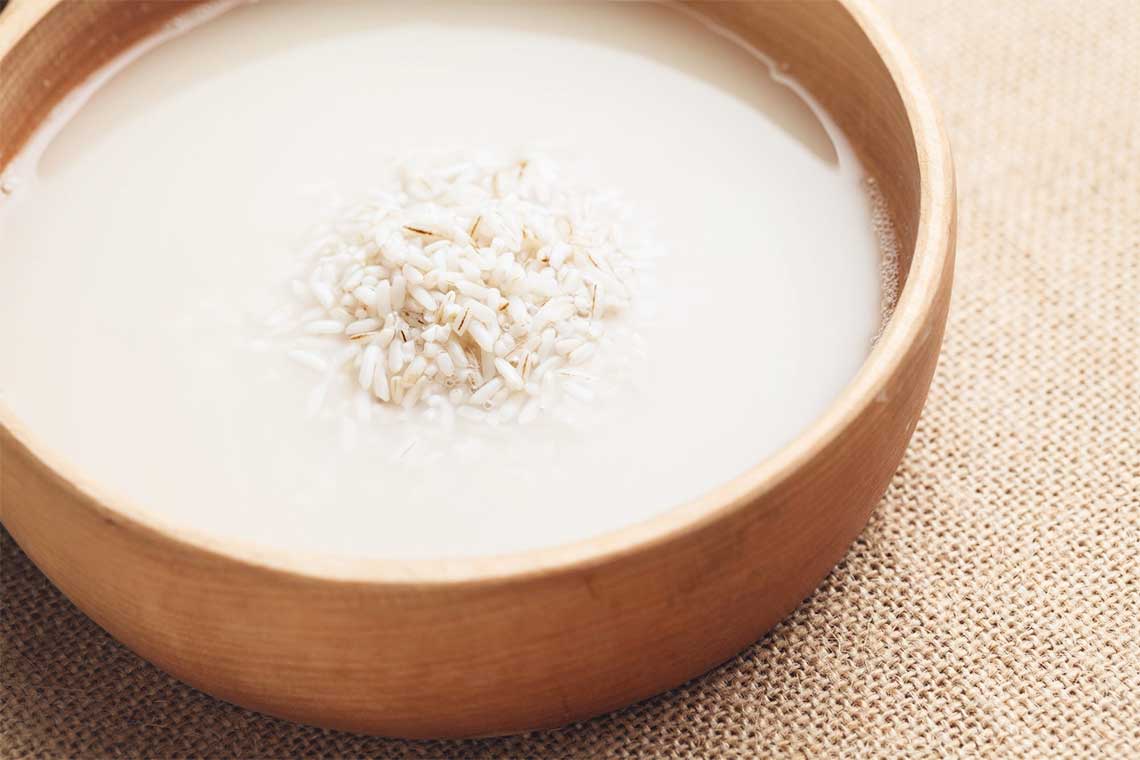
Rice (Oryza sativa) is a grain that contains a number of nutrients. When rice is soaked in water, some of these nutrients are released into the liquid, which can then be applied to hair or your skin. Gently comb through your hair to ensure even distribution of the conditioner. You can leave it in your hair without rinsing, allowing your hair to absorb the nutrients.
You can make your own rice water, but what do you do with it?! Vitamin E. Vitamin E is high in a type of antioxidant called tocotrienol. It's been shown to promote hair growth in people who have alopecia, which is a disease that causes hair loss. Just like there's no shortage of anecdotal testimonials of using rice water for hair, there's also about a zillion different recipes (I counted) online to try. If the stories you've heard are convincing enough for you to give it a shot anyway, you can easily make the rice water yourself at home. Dr. Rabach suggests adding four times as much water as rice, boiling it, then straining it to get your water, or you can follow this popular YouTube video that goes into all the details.